





How to Install Heritage Roof Tiles: A Practical UK Guide for Lasting Results
Installing heritage roof tiles is about more than simply protecting a building from the elements. Done properly, it preserves character, enhances the appearance of a property, and ensures long-term performance. Whether you are restoring a period home or introducing traditional detail to a new build, understanding the correct installation approach is essential.
Selecting the right tiles is just as important as installing them correctly. At Heritage Brick Company, we supply a range of traditional clay roof tiles suitable for both restoration and new build projects, all available within our roofing collection.
What Are Heritage Roof Tiles?
Heritage roof tiles are typically made from natural clay and designed to reflect traditional roofing methods used across the UK for generations. Unlike modern, uniform tiles, they often feature subtle variations in shape and tone, which contribute to their authentic appearance.
They are particularly suited to period restorations, listed buildings, and projects where maintaining architectural integrity is important. Over time, they weather naturally, allowing the roof to blend seamlessly with the surrounding structure.
When Should You Use Heritage Roof Tiles?
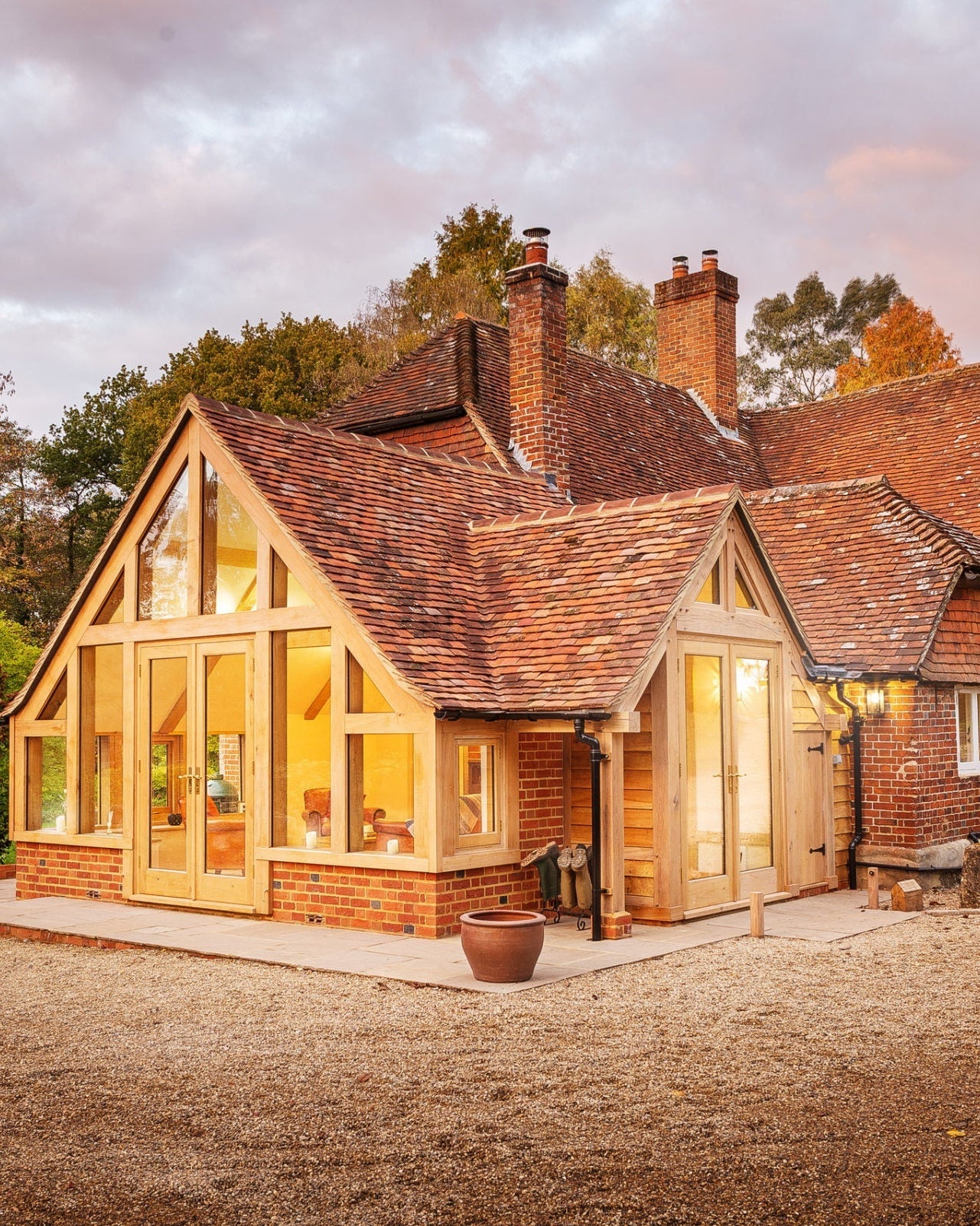
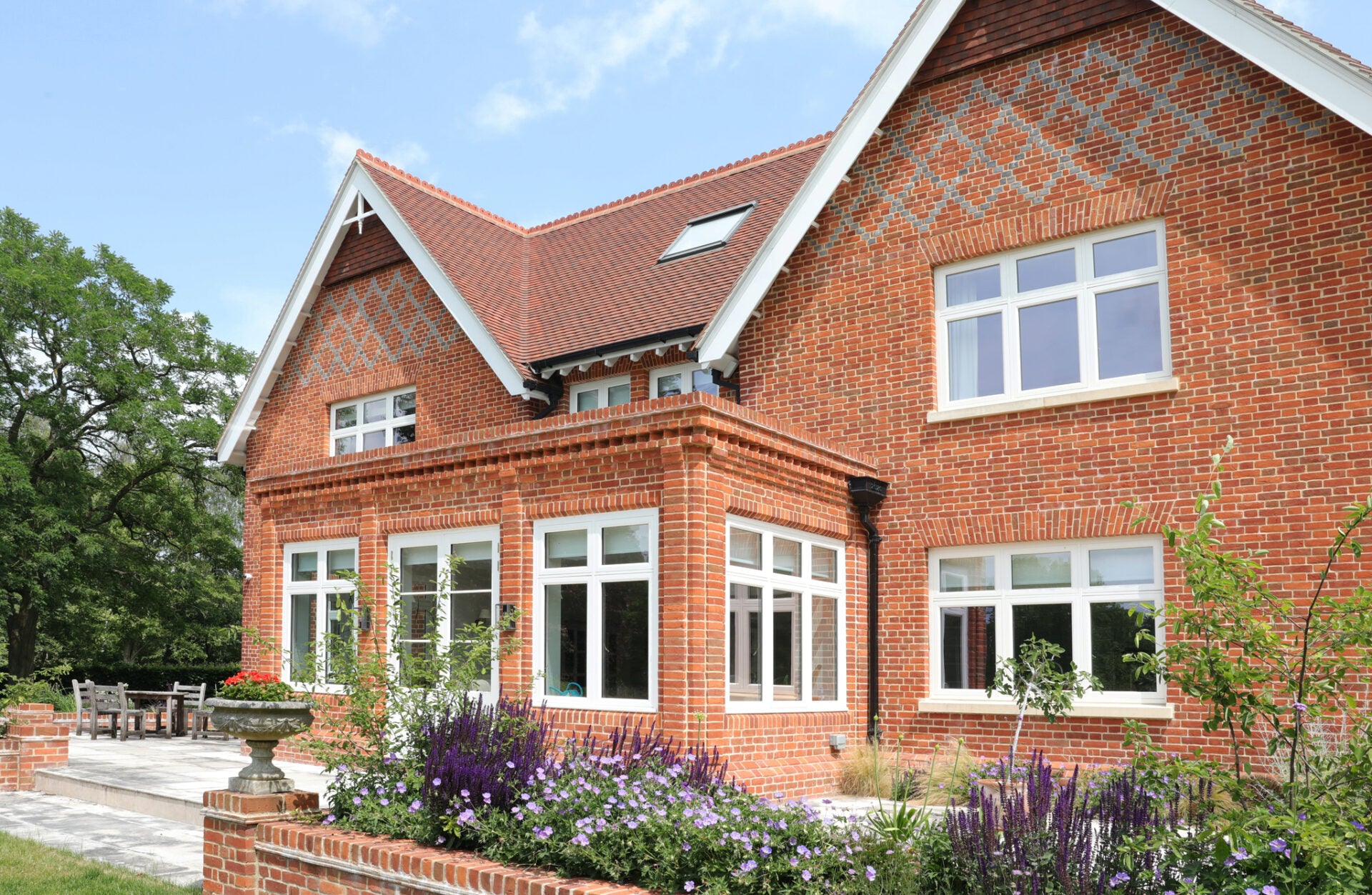
Heritage roof tiles are most effective where both appearance and performance matter. They are commonly used on Victorian and Edwardian homes, barn conversions, and extensions where a sympathetic finish is required.
They are also increasingly specified for new builds that aim to replicate traditional character. Choosing the right tile at this stage ensures the finished roof complements the building rather than appearing out of place.
Preparing the Roof Structure and Underlay
Before installation begins, the roof structure must be carefully prepared. Rafters should be level, secure, and capable of supporting the weight of the tiles. Any inconsistencies at this stage can affect alignment and long-term durability.
A breathable roofing underlay should then be installed in accordance with current UK standards. This acts as a secondary barrier against moisture while allowing the roof to ventilate effectively. It is important that the underlay is fitted with sufficient overlap and positioned to allow water to drain freely into the gutter system.
Fixing Battens Correctly
Timber battens form the framework that supports each course of tiles, so accuracy here is critical. They must be evenly spaced and securely fixed to ensure correct tile overlap and effective water runoff.
Incorrect spacing can lead to poor alignment and reduced weather resistance. Taking the time to set out battens properly will result in a cleaner finish and a more durable roof structure.
Laying Heritage Roof Tiles
Tiles are typically laid from the eaves upwards in a staggered pattern, ensuring that vertical joints are offset. This approach creates a strong, weather-resistant covering by allowing each tile to overlap those beneath it.

Consistent alignment across each course is essential, and a small allowance between tiles should be maintained to accommodate natural movement. This helps prevent lifting or cracking over time and supports the long-term performance of the roof.
Fixing and Securing Tiles
The method used to secure tiles depends on factors such as roof pitch, exposure, and building regulations. Tiles at the eaves, ridges, and edges generally require more secure mechanical fixing than those in the main body of the roof.
Care should be taken not to fix tiles too tightly. Heritage tiles are designed to sit naturally and require slight movement to allow for expansion and contraction. Over-tightening can affect both appearance and function.
Ridge, Hips and Edges
The finishing elements of a roof are essential to both its performance and appearance. Ridge tiles, positioned along the apex, are typically bedded in mortar or installed using modern dry ridge systems.

Hip tiles, used where two roof slopes meet, must be aligned carefully and securely fixed. Verges at the edges of the roof should provide a clean finish while protecting against wind-driven rain.

These details complete the roof visually while ensuring it remains fully weatherproof.
Common Mistakes to Avoid
Many roofing issues arise from small but significant errors during installation. Problems such as incorrect batten spacing, insufficient tile overlap, and poor ventilation can all affect the performance of the roof.
Another common oversight is failing to mix tiles from multiple packs during installation. Heritage tiles often contain natural colour variation, and blending them helps achieve a balanced, consistent appearance across the roof.
Attention to detail at each stage will prevent avoidable issues and ensure a high-quality finish.
Do You Need a Professional Installer?
While smaller projects may be manageable for experienced DIYers, most heritage roofing work benefits from professional installation. This is particularly important for listed buildings and more complex roof structures, where accuracy and compliance with regulations are essential.
A skilled installer will understand how to work with traditional materials and ensure the finished roof performs as intended over the long term.
Choosing the Right Heritage Roof Tiles
Selecting the right tiles is just as important as installing them correctly. At Heritage Brick Company, we supply a range of traditional clay roof tiles suitable for both restoration and new build projects.
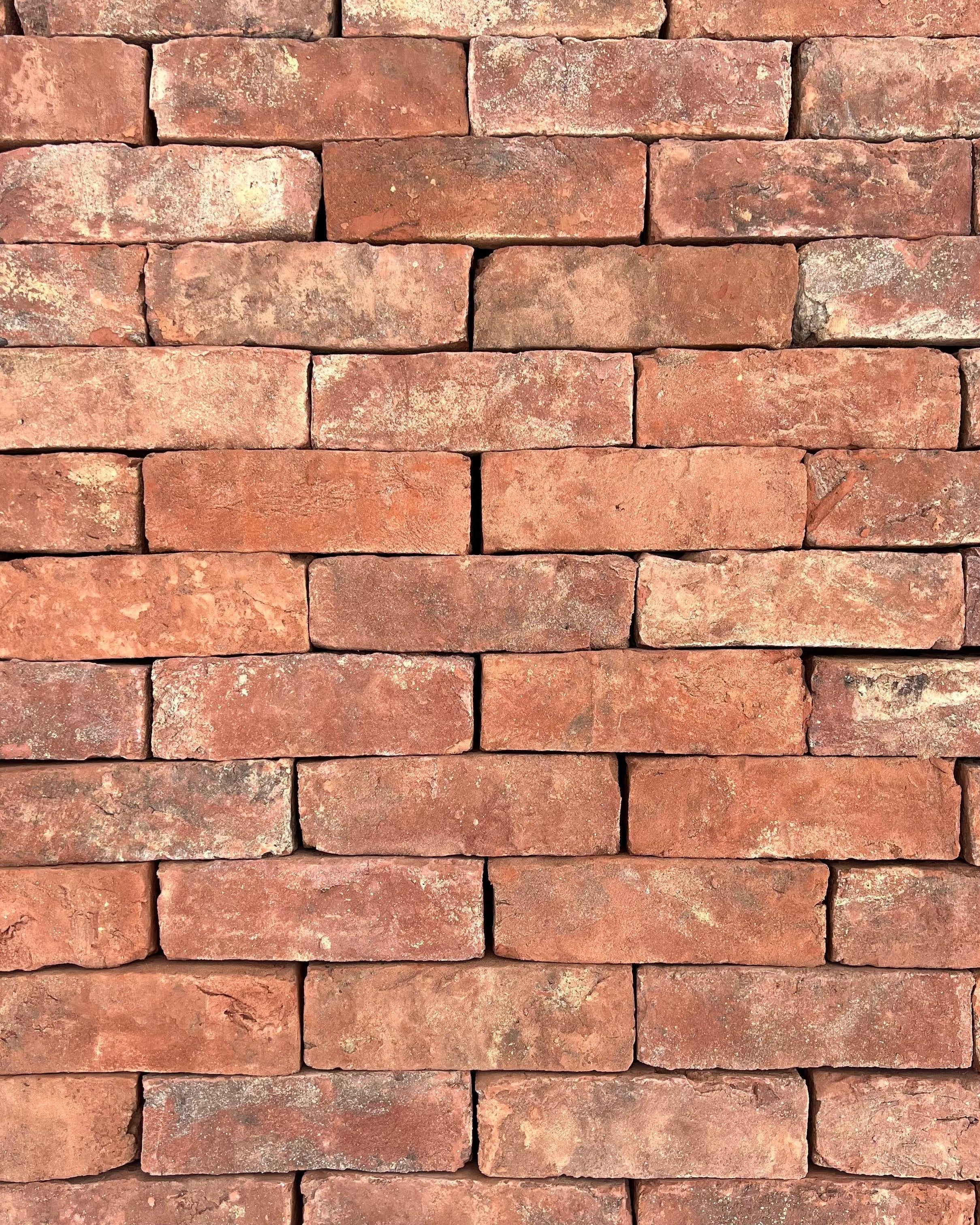
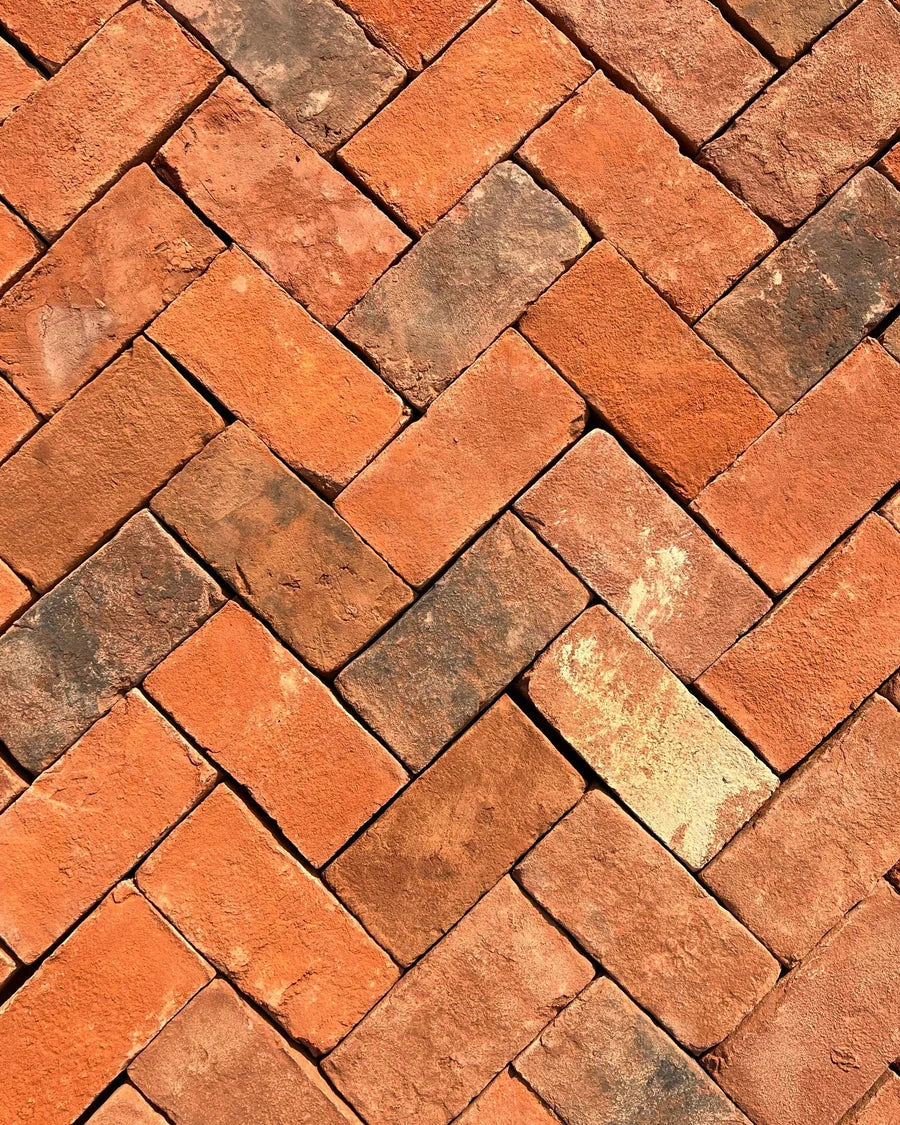
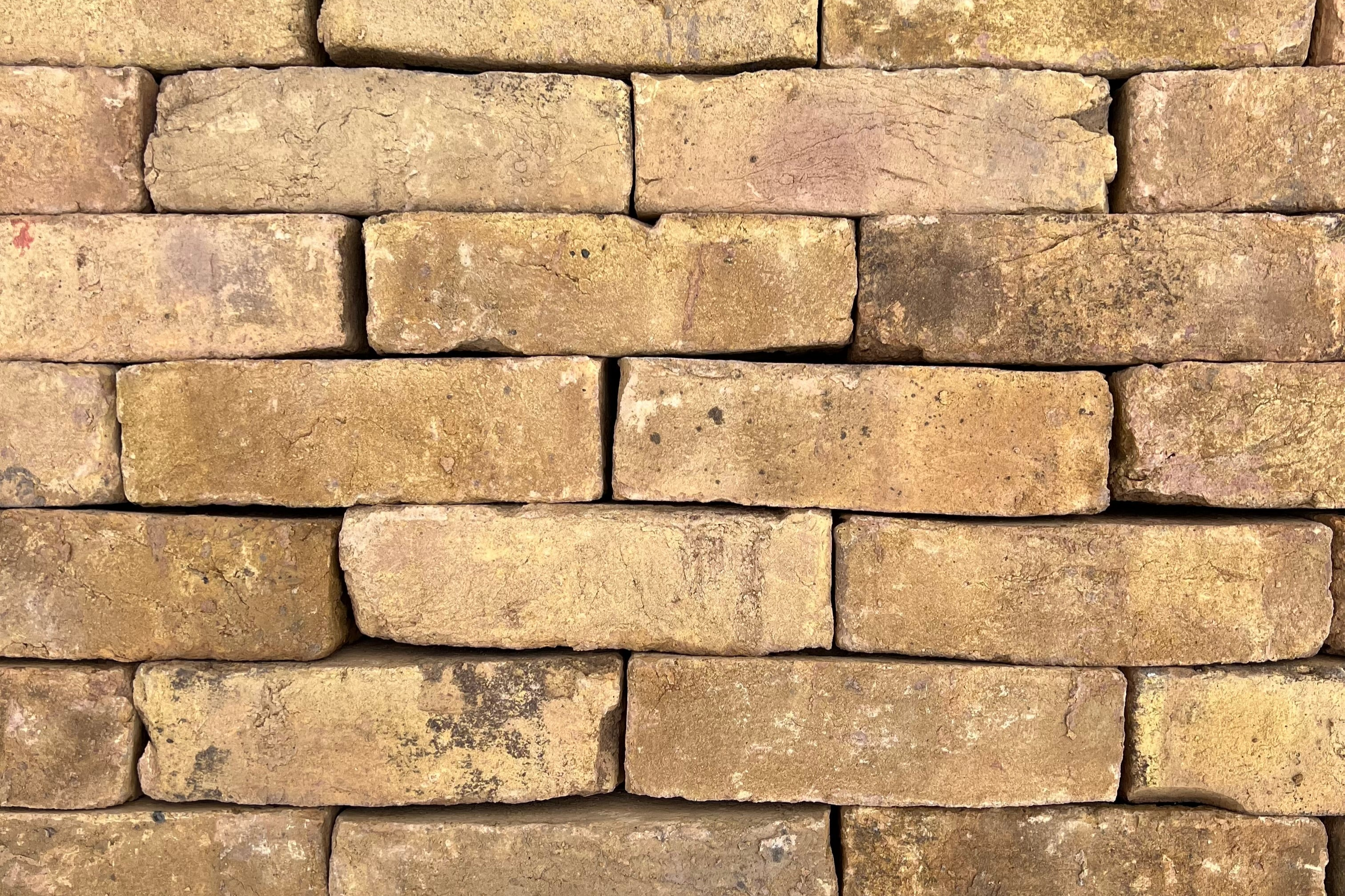
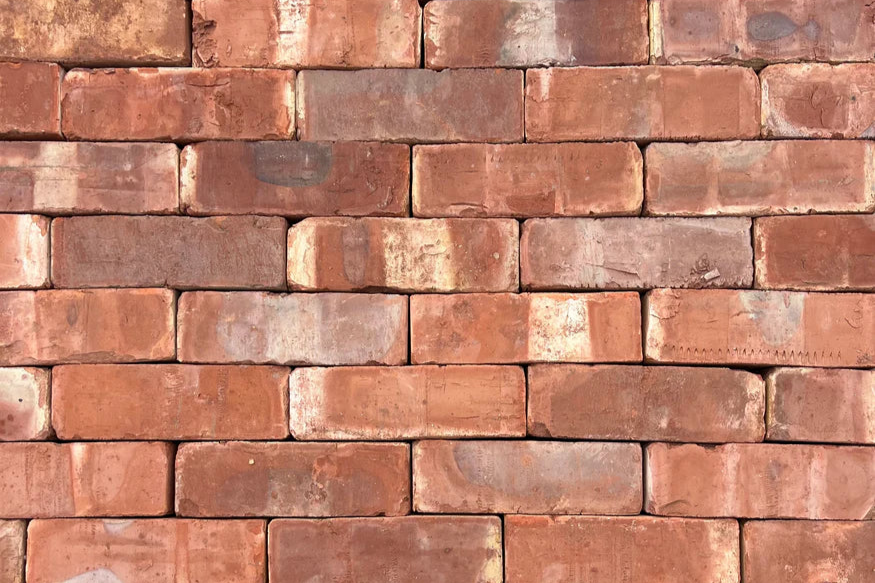
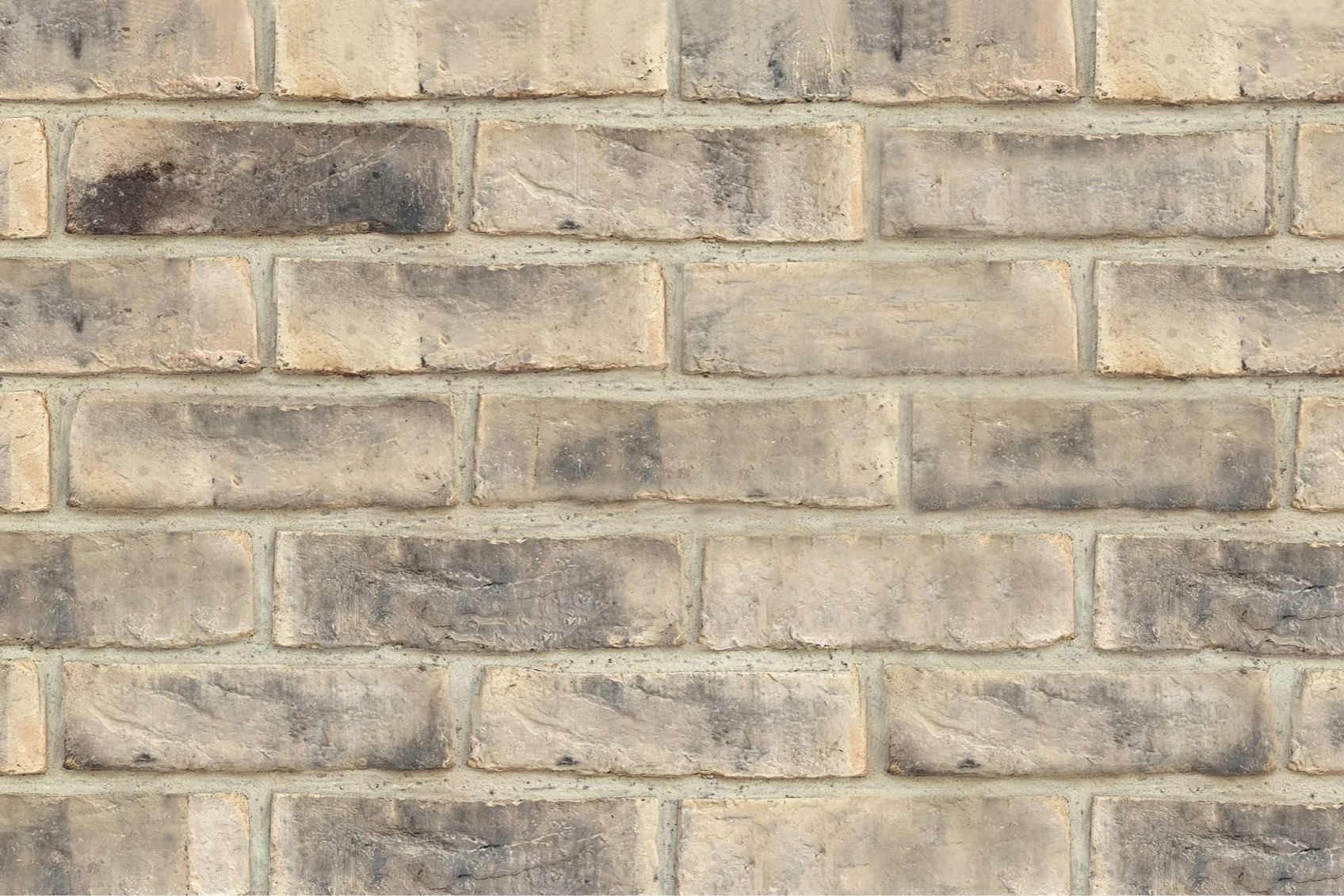
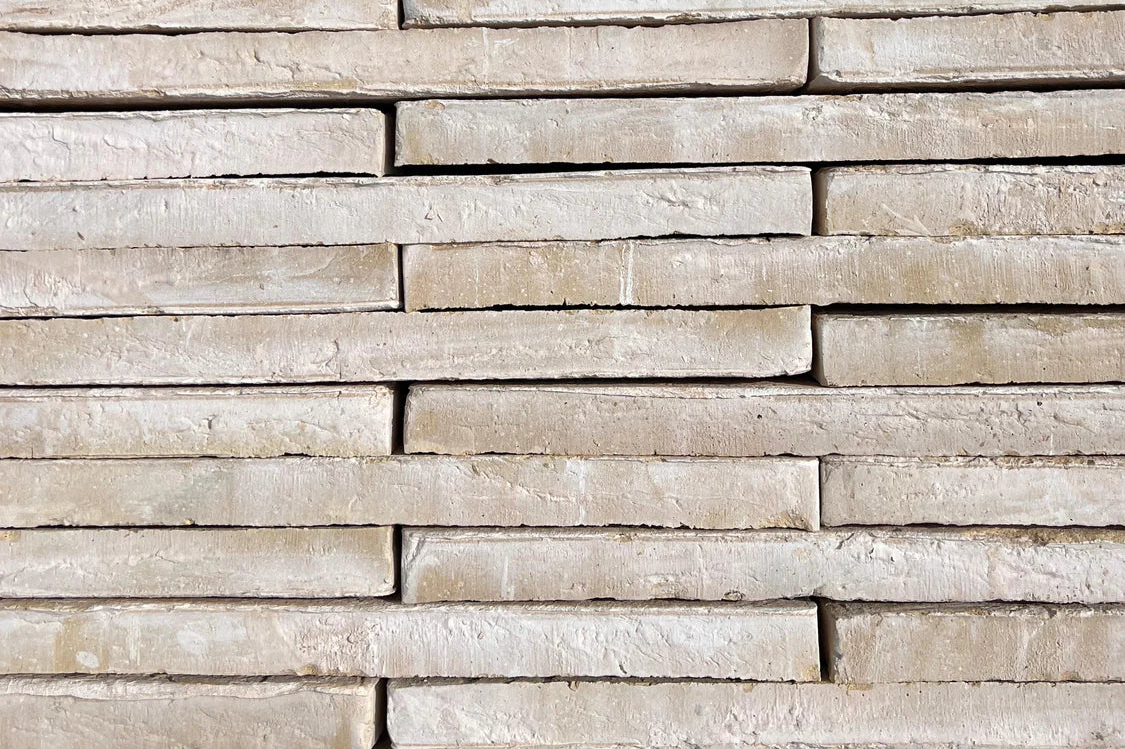
For projects where the roof needs to sit naturally alongside existing brickwork, it is important to consider how roofing materials complement the wider structure. Our handmade bricks and imperial bricks are frequently used on period restorations and extensions where size, texture, and colour must align with the original materials.
Where a close visual match is required, the brick matching service provides a practical way to identify suitable materials and maintain consistency across the project.
Final Thoughts
Installing heritage roof tiles requires careful preparation, attention to detail, and an understanding of traditional methods. When completed correctly, the result is a roof that enhances the character of a property while delivering long-lasting protection.
For guidance on suitable materials or help selecting the right products for your project, Heritage Brick Company can provide practical advice based on experience with both restoration and new build applications.
(HBC-B-008)
